Archive for the ‘New Memoir Chapters’ Category

“It is no measure of health to be well adjusted to a profoundly sick society”

May 10, 2013

It is no measure of health to be well adjusted to a profoundly sick society.
~ Jiddu Krishnamurti

I’ll be reading some short passages from Krishnamurti’s journals (as well as my own) at my Journal Writing for Self-Awareness workshop this Saturday morning, May 11, from 10:30 till 12:15. This is a free event, part of the May Gathering at the Krishnamurti Pepper Tree Retreat, on McAndrew Road in Ojai.

I attended Krishnamurti’s talks at the Oak Grove, and also heard him in Saanen, Switzerland, one summer. Over the years I became friends with many of the people who came to Ojai to hear Krishnamurti, including Beatrice Wood, Alan and Helen Hooker of Ranch House fame, and Frank and Bennie Noyes, who started Live Oak School on Orange Road. There, while living in a tiny trailer on the edge of an orange orchard, I tutored, cleaned, cooked, and cared for my toddler son. Back then I had endless energy, and almost everything was great fun.

Alan Hooker used to walk into the kitchen, roll up his sleeves, and make multiple loaves of oat and prune bread. He would also show us hippie chicks how to grind and chop nuts, celery, carrots, onions, and mushrooms for nut burgers or nut loaf.

While I’ve been journaling for more than 40 years (50 if you count my high school and Haight-Ashbury diaries), I’m new at teaching journal writing to people who might feel inhibited when faced with a blank page. I’ll see if I can nudge them into putting their innermost random thoughts and observations on paper. I’m filled with a kind of joyful trepidation, along with curiosity about who will show up.

The nature descriptions in Krishnamurti’s journal, below, are so simple, timeless, and moving. The book consists of observations made between February 25, 1983, and March 30, 1984, toward the end of his life. We here in Ojai can walk the “little village” as well as the East End, Horn Canyon, and all the trails he took high up in the mountains, and see all the places that he described with such depth and sensitivity.

I remember now how many early evenings I would be in my garden on Thacher Road, picking zucchini squash or digging trenches for chicken wire in an endless battle to keep gophers at bay. Krishnamurti would walk by, and the neighbor’s little dog would come running out onto the street, yapping at his heels and threatening his companions. The dog would often follow them a little way down Thacher, and Krishnamurti would turn around, bend over, and, arms waving toward our driveway, tell the little nuisance dog, “Shoo . . . shoo . . . shoo. . .”

This gave me a bit more time to observe Krishnamurti, and sometimes I’d have to run to the street and scoop the dog up. Back then, at age twenty, I was still painfully shy, and never took the opportunity to say a friendly hello.

Today, Krishnamurti’s journals serve to remind me how journal writing not only makes us ever more aware of our automatic thought processes and responses, but strengthens our powers of observation and awareness of ourselves, other people, nature, and all the rest of life:

As you climbed, leaving the little village paths down below, the noise of the earth, the crickets, the quails, and other birds began their morning song, their chant, their rich worship, of the day. And as the sun rose you were part of that light and had left behind everything that thought had put together. You completely forgot yourself. The psyche was empty of its struggles and its pains. And as you walked, climbed, there was no sense of separateness, no sense of being even a human being . . .

From Krishnamurti to Himself: His Last Journal

Krishnamurti’s last journal, spoken into a tape recorder at his home, Pine Cottage, in the Ojai Valley, brings the reader close to this renowned spiritual teacher. Dictated in the mornings, from his bed, undisturbed, Krishnamurti’s observations are captured here in all their immediacy and candor,…
To be awake to the miracle of being in nature— that is enough, for now

April 21, 2013

The stack of books by my bed reflect my dual Gemini nature. There is a copy of There are No Accidents: Synchronicity and the Stories of Our Lives, by Robert H. Hopcke, a Jungian psychotherapist who explores all the unexplainable events and curious coincidences that happen in the course of our lives. And, on the opposite end of the spectrum, there sits Why People Believe Weird Things: Pseudoscience, Superstition, and Other Confusions of Our Times, by Michael Shermer, PH.D., the founding publisher of Skeptic magazine, the director of the Skeptics Society (www.skeptic.com), and a contributing editor of Scientific American.

Living here in the Ojai Valley, a hotbed of every belief under the sun, my inquiring, incredulous mind likes investigating both views—the rational and irrational. Back in 1957, when my family was still in Holland and in the process of emigrating to America, my dad told my mom he had a dream about orange orchards. Sometime after this dream, he received a telegram saying that we were going to a place in California called Ojai. My dad still remembers how when our sponsor drove us to our house in the east end, he recognized the orange groves he had seen in his dream.

If you look around, you’ll see that there is no end to the things that people believe in. At around age fourteen I began to question the dogma of the church I was raised in. And now I question the popular belief that there are no victims, that everything that happens is a “soul choice”— for the greater evolution and understanding of the soul. My rational mind cannot fathom how the eight-year-old boy who was blown up in the bomb blast in Boston was making a soul choice —and all the other people blown up elsewhere on the planet that same day.

When I consider the enormity of the suffering and atrocities that have occurred over the centuries, both in the human and animal kingdom, and the magnitude of what is going on in our era, I ask myself, “If it’s true that we’ve all lived many lifetimes, and if we learn from experience, why aren’t we more enlightened by now?”

For me, at this point in life, at the end of nine seven-year cycles (63 years) on the planet, I don’t know anything. And the more I embrace this feeling of not-knowing, the more open I feel to the great mystery that is life.

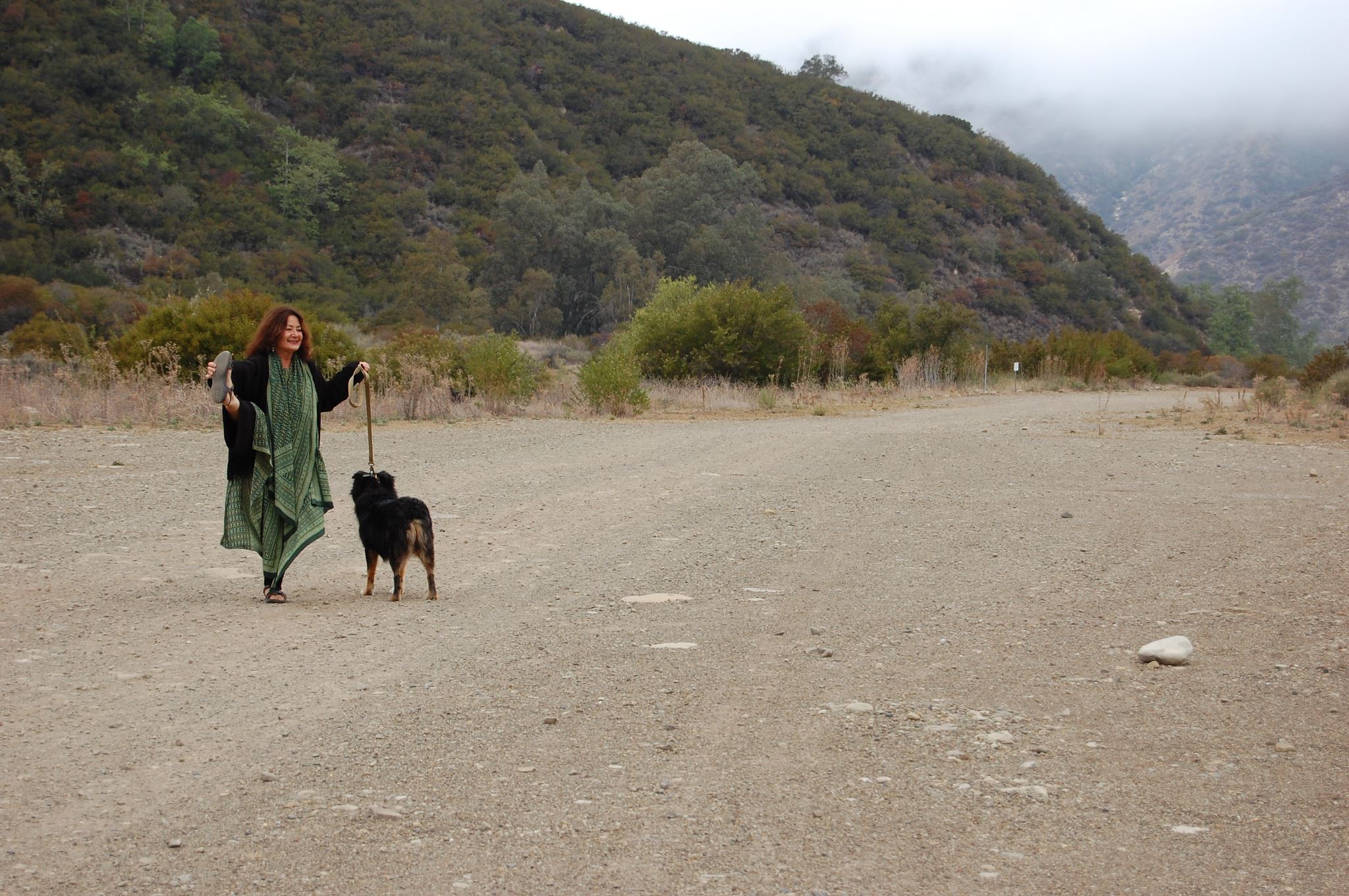
Tonight, when I walked the river bottom with my pack of dogs, and I saw the fuzzy black caterpillars crawling on the dry dirt path . . . when I saw the shiny black “stink” bugs moving along . . . and when I saw the white and brown flecked birds swooping bravely in front of us, trying to lure us away from their nests. . . and when my eyes caught the incredible ever-changing light that is the gift after sunset as the days grow longer . . . and when I looked up and saw the coming of the soon-to-be full moon, I said to myself, “This is enough.”

To be awake to the miracle of being in nature— that is enough, for now.

462701_10150741764309703_1020063683_o


“It is a bit embarrassing to have been concerned with the human problem all one’s life and find at the end that one has no more to offer by way of advice than ‘try to be a little kinder’.” ––Aldous Huxley

It remains to be seen if I’ve gone off the deep end

April 12, 2013

It remains to be seen if I’ve gone off the deep end or if I’m thinking outside the box. I’m so desperate to have a writing room again—a space where I can leave projects “cooking” and not have to put all the papers away—that I’ve emptied the kitchen cupboards of all the pots and pans and other stuff I’ve hardly used since I moved here last fall and converted the kitchen into an office.

I halfheartedly tried this a few weeks ago—kind of like an office with a kitchenette– but the cats sat (and threw up) on everything, and the dirty dishes piled up with nowhere to go. So I gave up and went back to movable-office mode.

It’s a challenge to write, teach, and live in a small space with five or more animals. But I feel a heightened intensity to get my next book done. If I must make a sacrifice I’ll give up cooking and dish washing—not writing and yoga.

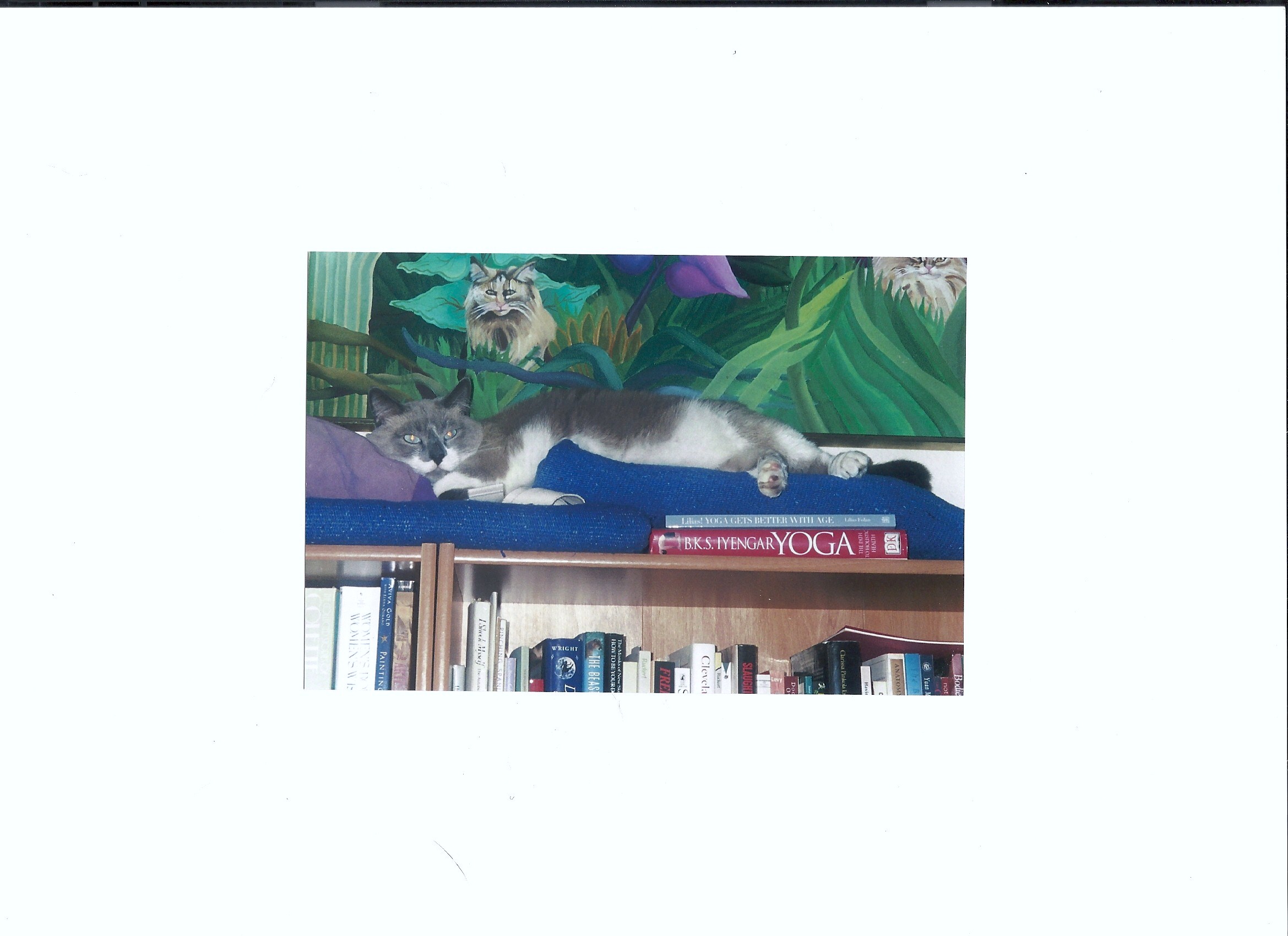
It’s not a cook book, but I feel like I’m gonna cook a book!LARGE TINY CAT Scan_Pic0015

The wind is howling

March 22, 2013

The wind is howling in the river bottom, sweeping the sky crystal clear. You can see the moon shining brighter, getting fuller, the stars are all atwinkle, the air electric, the trees bending and swaying—hanging on for dear life. Tonight the wind seemed to come suddenly, out of nowhere. It started blowing like crazy while it was still light, as I was teaching. It flew through the room, energizing everything, and it just keeps getting wilder. Keep the windows wide open, let the curtains flutter . . . let the magic in!

Saturday night with Ojai Ranch House date nut bread (If you think you’ve changed, go visit your parents)

March 10, 2013
Scan_Pic0018
Last night I felt the edge of solitude turn into Saturday night loneliness. The room that looks so bright and inviting when the sunlight pours in looked dim and dismal. The motivation to write seemed sucked out of me. I decided I needed human company and a change of scenery, so I went to visit my parents.
My good intentions ended up in my revisiting an old fight with my father.
When I arrived, the living room curtains were closed but the lights were on, so I knew they were up. I went around back and stood on a chair so I could look through the kitchen window into the rest of the house and spy on them. I could see my mom dozing in her easy chair. A wave of nostalgia rose up in me. Someday, maybe soon, I’ll look at that chair that she practically lives in and she won’t be there. And by then my dad, too, will likely be gone.
So I go back around to the front of the house and knock loudly on the window, right by where she’s sitting. “Who is it?” my mother exclaims, pulling back the curtain. “Oh, it’s Suzan! Do you need a place to spend the night?” she asks, laughing. She leans into her walker, hoists herself upright, and opens the door.
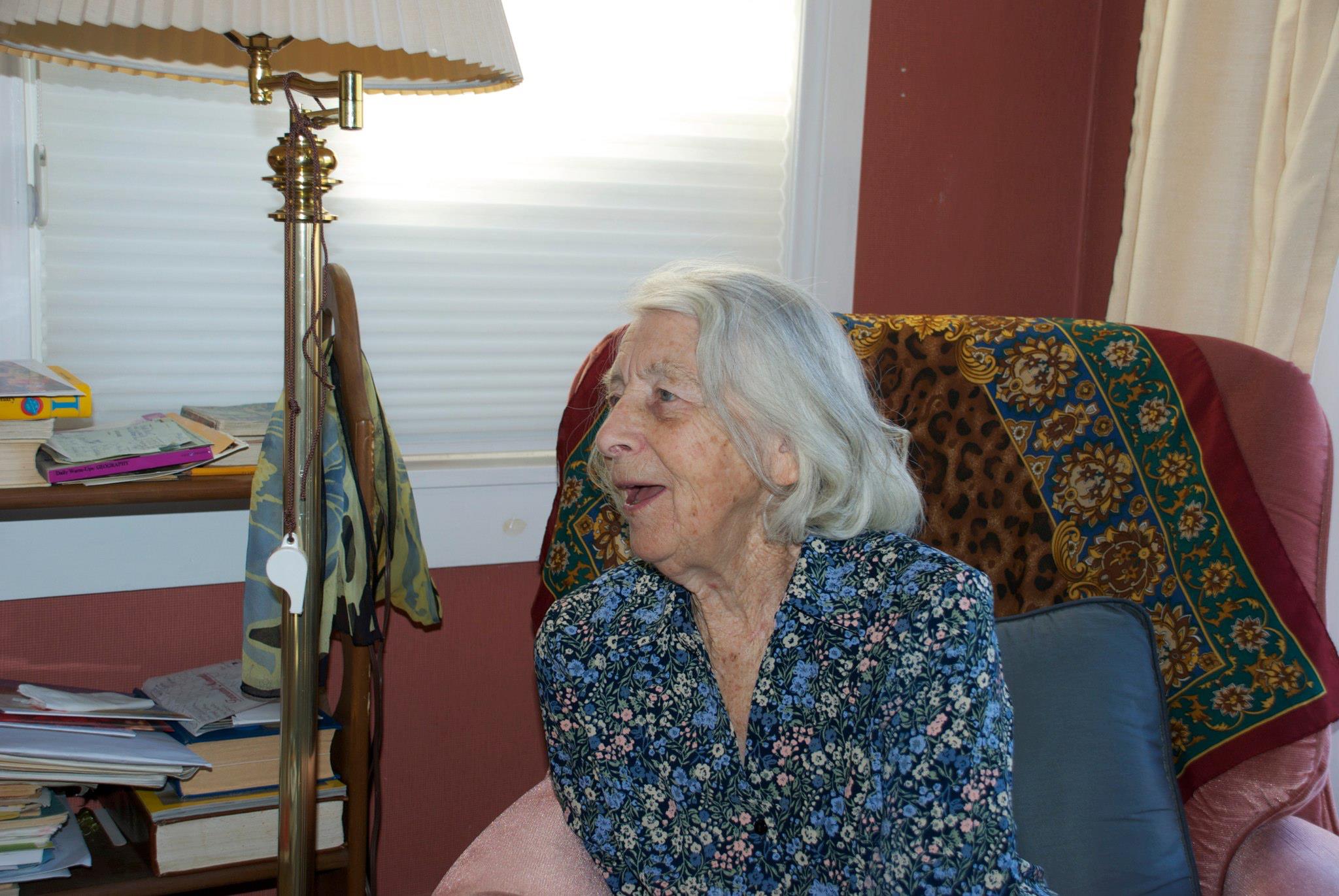
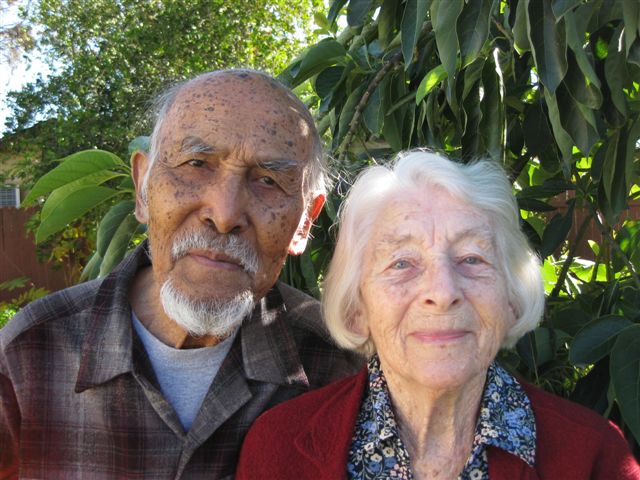
The scene is always the same. My dark-brown Indonesian dad, wearing his faded checkered robe, is lying back in his easy chair at the far end of the room, reading a Louis L’Amour Western novel or a book about Armageddon or heaven. My pale-white Dutch mom sits in her chair near the front door reading one of her Spanish books or the same pages of a National Geographic magazine over and over again. They are both so thin—each probably under a hundred pounds. And the more skeletal they turn, the more they delight in joking that I’m gaining weight again.
478429_10151118544412521_856221748_o
All goes well for the first half hour. I sit on the floor in front of my mom’s chair in various yoga poses and entertain her with excerpts from National Geographic and jokes about life. My dad loves it when I amuse her so he can read uninterrupted.Then he puts down his book and asks if I know what’s happening with the Golden State Water buyout. His water bill on his Pauline Street property is over $200. This innocent conversation about the water bill slowly trickles into dangerous political ground. My old Republican dad starts going on and on about how Ojai doesn’t need any more low-income housing, how people on HUD are taking advantage of the system, how the Hispanic population is taking over because they don’t use birth control, how his property taxes just keep going up and up because of government aid to all these lazy people, and “Why should I pay more taxes when I no longer have children going to school?”
And suddenly the adolescent in me that ran away from home at age sixteen can’t take it any more. I point out that my dad’s youngest daughter, the apple of his eye, the one who can do no wrong, has five children. She didn’t use birth control, so why is he pointing the finger at others who have more children than they can afford? I also point out that his grandchildren and great grandchildren go to public school, and that the government is helping to support the baby born to my youngest sister’s teenage daughter.Raising my voice, I say, “But Dad, what if you hadn’t helped Paula build a house? What if you didn’t subsidize her rent? What if you hadn’t supported her for all these years? Not everyone has parents to help them . . . “It’s like talking to a rock. All my arguments that it benefits  society as a whole to make sure everyone has adequate housing and food fall on deaf ears.
He says, “Suzan, I want you to promise that when you go to those city meetings you won’t be sentimental. You need to keep an open mind and think rationally. When I came to this country I never asked the government for any help. I worked hard and took care of my own.”We’ve had this same fight a thousand times. I know it’s a hopeless altercation, but it’s all so unfair and infuriating the way my dad supports my youngest sister, all the while raging against government handouts and blatantly insisting, “I love all my daughters equally.”

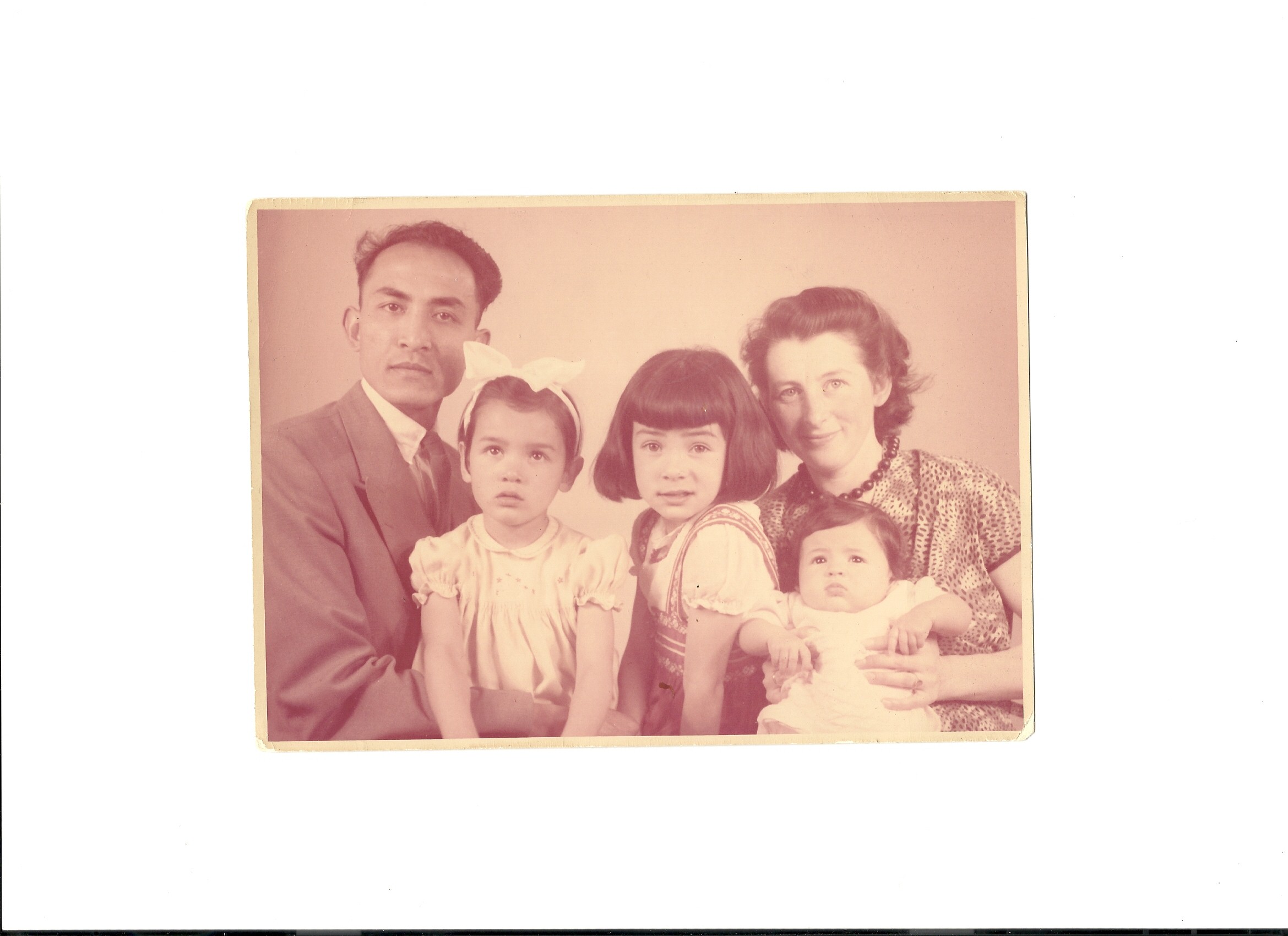
1956. A Diets-Vermeer family photo taken in Den Haag, Holland, a few months before destiny brought us to Ojai, California,  the land of sunshine and orange orchards

1956. A Diets-Vermeer family photo taken in Den Haag, Holland, a few months before destiny brought us to Ojai, California, the land of sunshine and orange orchards

We yell back and forth for a few more minutes, just like old times. As Ram Dass or some other hip spiritual teacher has said, “If you think you’ve changed, go visit your parents.”Finally I regain my wits and lean over to kiss my father on his forehead. “Dad,” I say, “I love you. Let’s just agree to disagree.”
Then I go to the kitchen, open the fridge, and cut myself three thick slices of Ranch House date nut bread. I swipe three slices of Havarti cheese for my dogs, who are waiting in my borrowed car because my dictator dad doesn’t allow them in the house. I rummage in the cupboard and swipe a can of Trader Joe’s unsalted tuna for my cats. I wrap it all up and stuff everything in my coat pocket. I hug my mom goodbye and bolt into the night. When I open the car door, the dogs are overjoyed about the cheese. Before driving off, I unwrap one of the slices of date nut bread, and laugh as I see how pathetic I am and how little it takes to console me.

IMG_2635

Sometimes making life more difficult for yourself saves the life of another

March 1, 2013

February 27, 2013

HONEY HUGMy standards for clean have never been high, but this winter things reached an all-time low. The only thing that keeps hope alive as I survey the futility of it all is the awareness that spring is coming and soon it will be warm enough to banish all the four-leggeds to the outdoors. I’m already cooking up a plan for sleeping under the stars, to trick them into thinking that living close to nature is the new normal.
Last night, just when I thought I could finally detach from it all and escape into the alternate universe of some yoga magazines (with their nude yoginis wearing only toe “soxs” and glossy ads for Karmalicious shoes, Earth-friendly Subarus, and yoga festivals that look suspiciously like scenes out of the Pentecostal revival tents I attended in my early teens), I saw that Priscilla had thrown up into the crevices of the bottom frame of the sliding glass door. In order to slide the door closed, I had to get out of bed and start the day all over again. I also removed three ticks from Honey’s head that I only noticed when I petted her good night.

Back under the covers, I opened the current Yoga Journal to a promising article entitled “Yogic Wisdom for Decluttering Your Life.” It was all about cleaning and clearing your abode, getting rid of crap you don’t need, getting your finances under control, and, above all, managing your time.
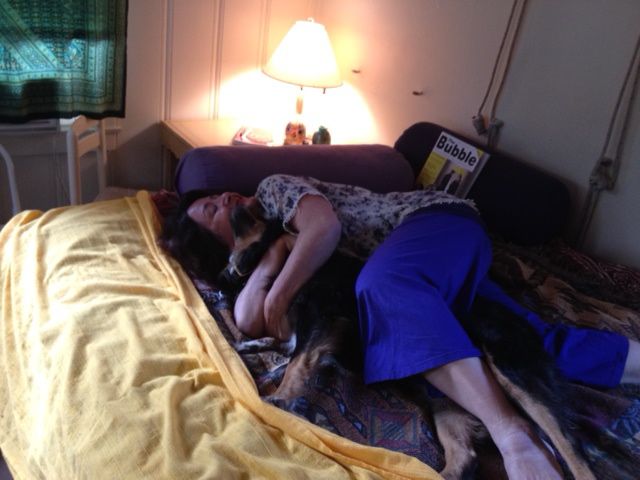
The opening paragraph said, “For true clarity of mind and heart, shine the light of awareness on your habits and clean up your life.” Well, I readily admit that I need help in that department. So I read on, and came to the part that said, “In the face of any challenge, yoga teaches you to pause and look at the source of your problems.”Well, that was easy. The sources of all my problems were sprawled on my bed, sleeping on my pillows and snoring under the covers, totally oblivious of the endless expense, wasted time, and trouble that they cause! They were to blame for the dirty floors andpaw prints on window sills, the kibble residue and stinky kitty litter, the messy clutter of leashes, dog toys, old bones, pet carriers, and piles of dirty towels (Chico pees indoors when he finds the exit blocked) . . . and the financial drain of vet bills, pet shampoo, cleaning supplies, and all those mouths to feed. 

At the end of the yogic wisdom article came this recommendation: “Ask yourself, with each decision you take, ‘Is this making my life easier or more difficult?’ ” 

I get the point. I’m all for simplifying one’s life. But it’s a good thing that those who rescued Honey from death row didn’t ask those kinds of questions. Sometimes making life more difficult for yourself saves the life of another. And, luckily, cleanliness is not next to godliness. And, sometimes clean enough is good enough!

The New Yoga for People Over 50, fifteen years later, still going strong

February 26, 2013
Scan_Pic0010
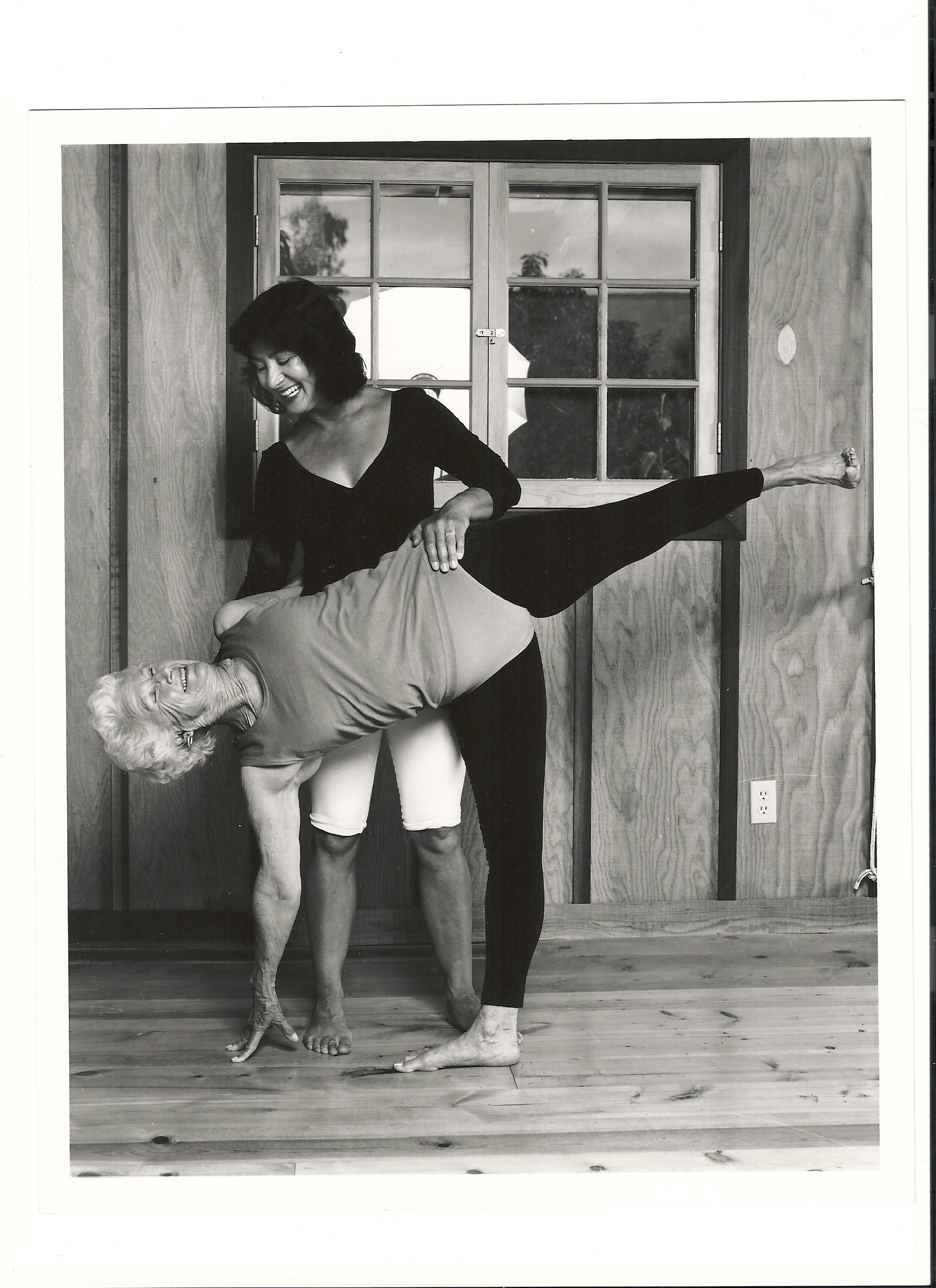
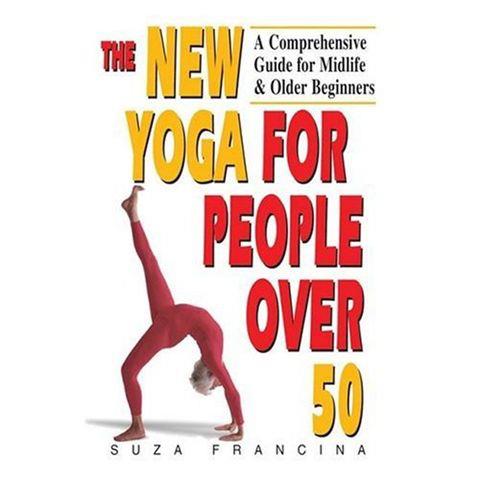
This week a reader posted the 50th review of The New Yoga for People Over 50, a milestone of sorts. This book was published in 1997 and (I’m grateful to say) is still going strong. All told, it took about 20 years to pull this baby together. I wrote the first chapters in a small hut in the river bottom, not far from where I live now. The hut had a shower, and I discovered that the steam from the shower affected the big bulky computer I was working on. So I had to arrange my writing time around people’s showers, to make sure the atmosphere was not too damp.After many years of interviewing older teachers and other inspiring elders from all over the world (including Indra Devi at age 94 and Beatrice Wood at 100), getting photo permission from B.K.S. Iyengar, organizing photo shoots, etc., the book grew more and more out of control—way beyond the size of an encyclopedia.The whole concept of getting an editor never occurred to me. I didn’t know enough about writing to realize I needed one!Finally, after years of rejection letters, one of my students introduced me to an agent who had just moved to Ojai: Barbara Neighbors Deal. Barbara succeeded in getting me a bona fide book contract with Health Communications, Inc., famous for their best-selling self-help books. It was a match made in heaven.I excitedly signed the book contract. A month or so later, they actually sent meenough money to cut back on teaching for a few months. I chained myself to the computer and sweated away. I chopped away at the manuscript and selected the most suitable photographs. Twelve-page interviews were cut to two-page vignettes.
I optimistically submitted all the material. The publisher’s editors and layout people got to work. A few months later, the galleys arrived. Except for a few upside-down images, it looked perfectly fine to me. During this time a new student, Karen McAuley, started coming to my classes.  She heard me talking about my book and asked to see the galleys. And then, to my utter dismay, she announced, “This book isn’t ready! It doesn’t have a spine!” A spine? My yoga book doesn’t have a spine? Turns out Karen was a seasoned New York editor. She called the publisher, stopped the presses, and took matters into her own hands.I still marvel at the synchronicity of Karen entering my life just in the nick of time. Due to her merciless, rigorous, unrelenting editing efforts, I ended up with a baby that has a spine and, consequently, a long shelf life.298812_10150423623539703_535391470_n
To Look Inside the Book click The New Yoga for People Over 50
Photo credit: Suza and her student, Sandy Yost, by Ron Seba
Photo Credit: Cover photo of Iyengar Yoga teacher Betty Eiler by Jim Jacobs

February full moon musing

February 26, 2013

Silent, steady, the full moon rises, higher and higher above the Valley of the Moon. From my perch at the top of North Signal, I watch in awe. She is so still, so brimming with light, brighter and brighter each time I glance up. The mountains too stand steady in their strength and abiding solitude. All I can do is root my feet, take a deep breath, and allow myself to feel the moment.

*****

The full moon casts a spell of enchantment on the valley. You can wander the trails and streets by the light of the moon and see—but not be seen, except by wild animals. For just a little window of time, you can shed the years and wander carefree, letting your dogs take the lead. You pass houses where you lived long ago . . . you walk a trail that you once followed, on a moonlit night like this, wearing a flowing, white, hippie wedding dress, when you were young and slender and had no idea how beautiful you were . . . when you poured your hopes and dreams into a man who later confessed he was drawn to you like a moth to a flame. But even making love by the light of the moon couldn’t cast out his memories of Vietnam . . .

I’m lucky to still be alive to tell the tale.

February 20, 2013
suz10All I can do this morning when I browse the news and ponder on all the people who have left the planet in recent days, ranging from self-help author Debbie Ford, who faced her shadow, to the troubled music star Mindy McCready, whose shadow overpowered her, to the many people from my own life drama who have passed on . . . all I can do is shake my head and wonder what really happens in the great beyond. I also say, “There but for the grace of God go I.”
I’ve only minimally tasted the pain of life, and that was painful enough. I once hit a man in the head with a glass bottle while he was driving . . . it was just lucky there wasn’t a gun in the car. I can only imagine the pain in the heart and solar plexus that would cause a beautiful 37-year-old singer to end it all. How incomprehensible it all is, even if we find a logical reason.Yesterday I came across a very interesting piece about Larry Hagman’s mind-altering psychedelic trip. It described how the actor suffered a nervous breakdown while filming a TV show and how the film crew carted him off to a psychiatrist who suggested he ease his anxiety by taking LSD. Hagman claimed that he saw his body’s molecular structure during his first trip. “Some cells were dying, some cells were being reborn . . . I realized we don’t disappear when we die. We’re always part of a curtain of energy.”A 70-year-old friend suggested to me that there should be a gentle, legal form of LSD for senior citizens. He says it’s not fair that we kick the bucket without ever really knowing what this whole trip of being in a body was all about.

It’s been 45 years since I took my last trip, high in the mountains of Ojai, in Matilija Canyon or Rose Valley. It was August or September of 1967, a few days after I returned from Haight-Ashbury. I don’t recall the exact location, only that we drove up Maricopa Highway, parked, and hiked to a place that was absolutely still and quiet, far away from the noise of civilization. I was 18 years old and didn’t have the language to articulate what happened. But I remember that my consciousness shifted from the world of time to timelessness. Maybe it was a taste of cosmic consciousness, maybe it wasn’t. I do distinctly remember saying over and over again, “I’ve waited so many lifetimes for this moment.”

The impression this experience made on my consciousness has never left me. At the same time, I know that the human mind is capable of inventing all kinds of realities, whether born of mind-altering drugs, religious conditioning, or the effects of alternative belief systems, some of which I was briefly “processed” in before I jumped ship.

So here I am in beautiful Ojai, in my messy writing hovel, surrounded by books, journals, yoga props, and cats and dogs sprawled across my bed. I’m still sleeping on a mattress on the floor, just like in my hippie days. The sun is shining through the trees, and I feel blessed to wake up happy. If the world doesn’t end, then this day, like all the others, will be eaten up by endless ADLs (activities of daily living): money reckonings, kitty litter cleaning, dog walking (the highlight of the day), and eating food—both for nourishment and for consolation.

All human beings suffer, no matter what props they accrue on the stage of life. Some overdose on drugs, some put a bullet in their head, and all succumb to accidents, disease, or age. This awareness alone helps move me into the present moment, where I can laugh and realize I’m lucky to still be alive to tell the tale.

To see comments on this Post visit my Suza Francina Facebook page

The Road to Singledom

February 15, 2013

Last night, in honor of Valentine’s Day, I made a list of all the men in my life, going all the way back to my first boyfriend at age 15, the Catholic one up the street who set me on fire. That fire was promptly extinguished when my fanatical Pentecostal father told his Catholic father in no uncertain terms that I could not date a Catholic. My old dad confessed his part in this out of the blue a few years ago, adding remorsefully, “I should have let you go out with that young man. He was much better than the ones that came afterwards.”

It’s a long list—almost 50 years’ worth of relationships, including my first marriage at age 18 followed by two more . . . all the living-together arrangements—an endless stream of boyfriends, one after the other, with no real alone space in between. It’s total poetic justice that, after all that obsessing, the shocks, the crying, the heartbreak, the horrible suffering, after all the years of marriage counseling, couple retreats, untold books on relationship as a spiritual path, after all that incredible agony and awesome ecstasy, that I should now find myself not applying the wisdom I’ve gained to a relationship but to finally standing psychologically solid on my own two feet.

I sit here in my kitchen, sunlight streaming through the sliding glass door, ignoring yesterday’s dirty dishes, reveling in being alone. The writer in me remembers the thrill of hearing a delivery boy knock on the door to hand me a beautiful bouquet of flowers in a glass vase or pretty wicker basket, always with a festive ribbon and a little white envelope with a sweet message inside. Then later getting picked up in a red convertible and driving off full of hope and anticipation with a handsome-devil boyfriend, going off for the weekend to a romantic bed and breakfast . . .

I feel no need to burn the journals where I scribbled furiously in my efforts to make sense of it all. Once in a while I look at the love letters, photo albums, and romantic cards I’ve saved through the years . . . all these material reminders of past Valentine’s Days. If I had not had all these experiences, would I be this content alone? Everything that ever happened was a hard-won lesson on the road to peaceful singledom.

Cartoon374468_302480283202770_413733344_n